Space Science
I Am Artemis: Erik Richards
Mar 27, 2026, 9:30 PM
出典: NASA News
Listen to this audio excerpt from Erik Richards, Near Space Network Mission Manager: For Erik Richards, supporting NASA’s first crewed Artemis mission to the Moon and back is the culmination of a career spent helping spacecraft communicate with Earth.  Like many kids who grew up at the height of the Space Shuttle Program, Richards dreamed of spaceflight — a dream that eventually took him from the remote McMurdo Station in Antarctica to […]
Details
3 Min Read
I Am Artemis: Erik Richards
Credits:
NASA
Listen to this audio excerpt from Erik Richards, Near Space Network Mission Manager:
0:00 / 0:00
For Erik Richards, supporting NASA’s first crewed Artemis mission to the Moon and back is the culmination of a career spent helping spacecraft communicate with Earth.
Like many kids who grew up at the height of the Space Shuttle Program, Richards dreamed of spaceflight — a dream that eventually took him from the remote McMurdo Station in Antarctica to NASA’s Goddard Space Flight Center in Greenbelt, Maryland.
I’ve spent my entire career moving across NASA’s network. At its core, it's an organization of people and interactions. I always say it’s not what you know, but who you know that makes the network go. There are so many opportunities to learn.
Erik Richards
NASA Near Space Network Mission Manager
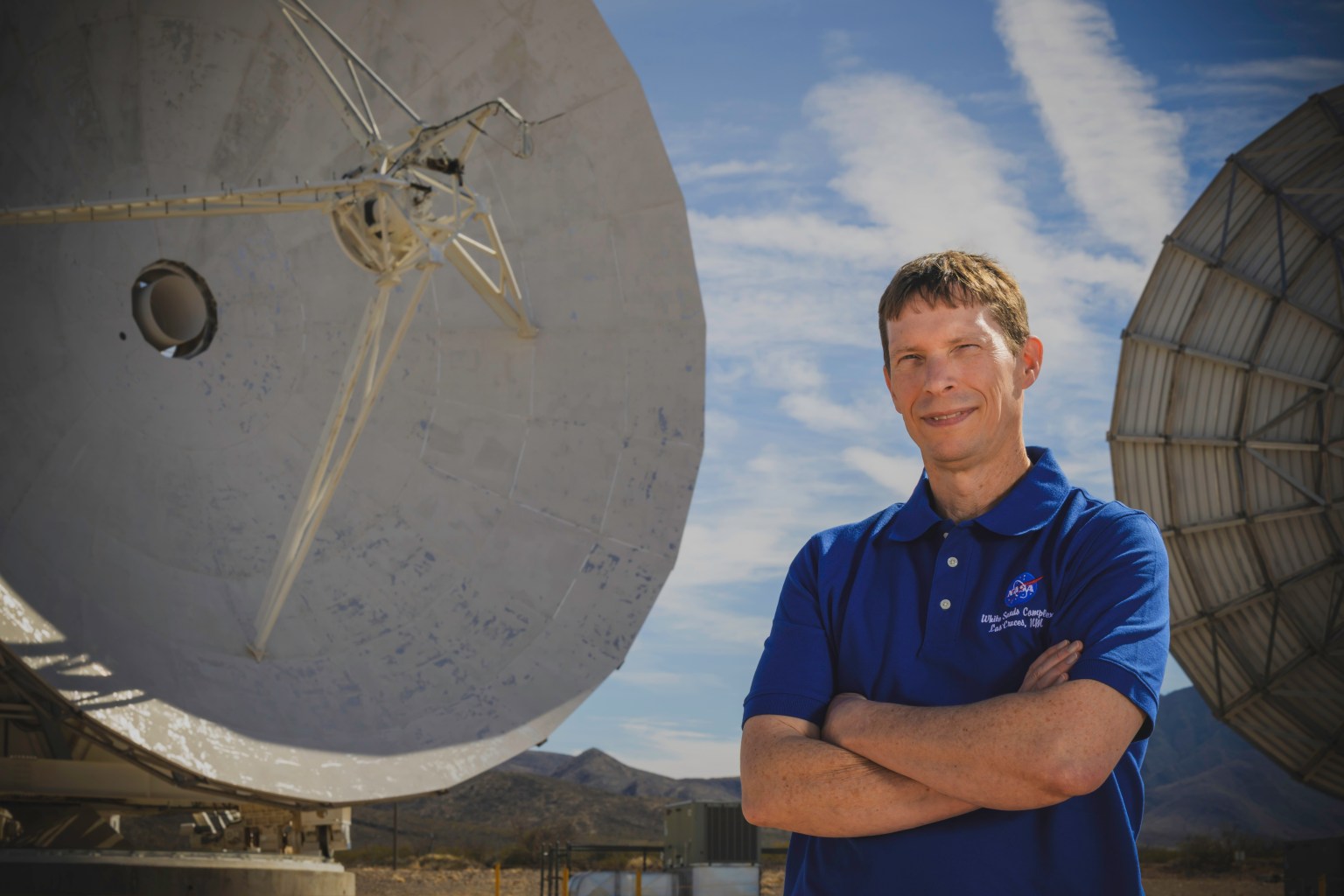
Most recently, his work has taken him to the agency’s White Sands Complex in New Mexico — and into a key role in America’s return to the Moon. As mission manager for NASA’s Near Space Network, Richards ensures the Artemis II crew and Orion spacecraft can communicate with Earth during liftoff and early orbit, through re-entry and splashdown.
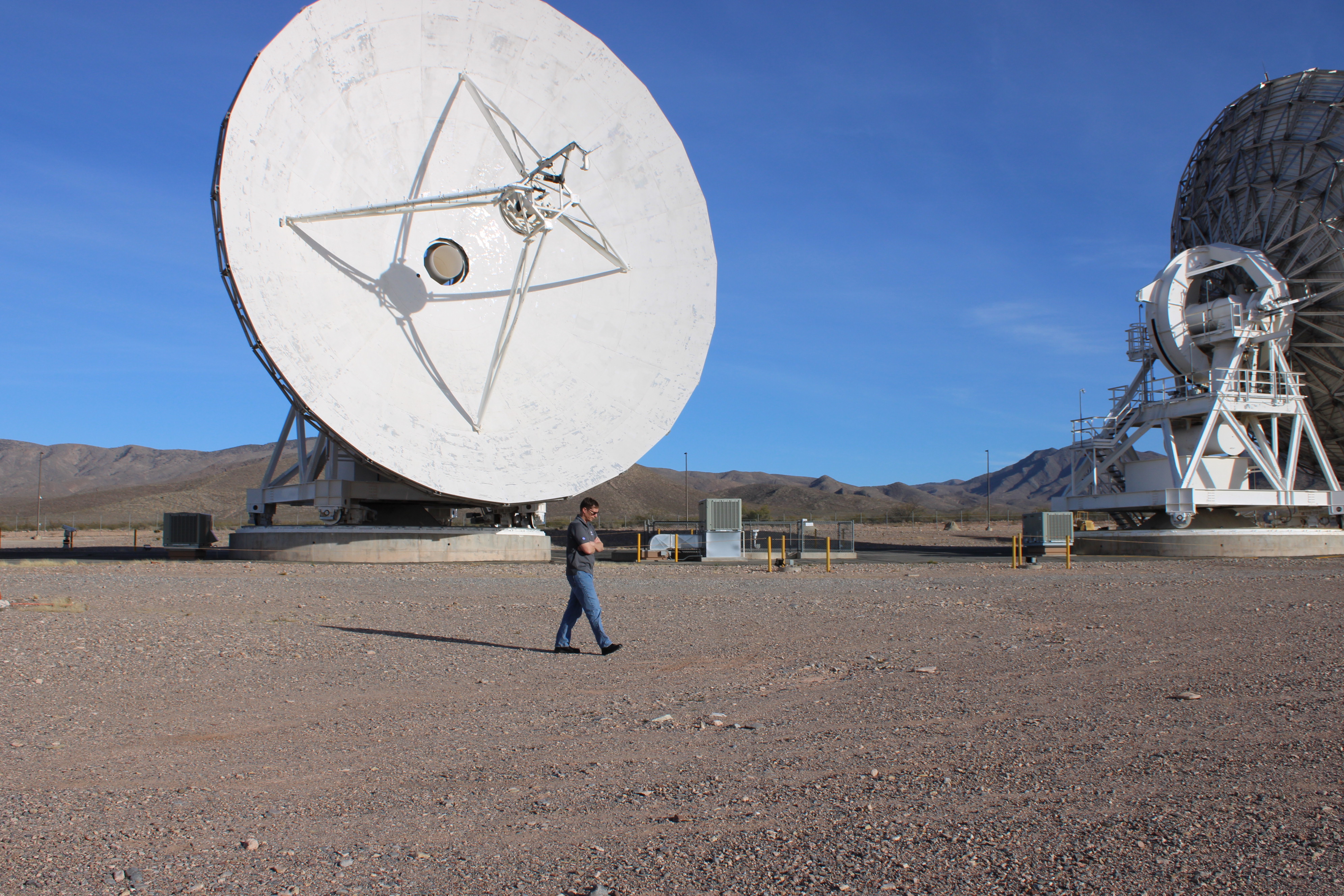
Erik Richards at the White Sands Complex. The largest White Sands antennas are 18 meters (59 feet) in diameter.
The Near Space Network consists of an interconnected web of relay satellites and more than 40 government and commercial ground stations stretching from Bermuda to South Africa. Together with NASA’s Deep Space Network, this global infrastructure is critical to keeping the Orion spacecraft and its four astronauts connected to mission control throughout their roughly 10-day mission.
It’s Richards’ job to keep the many pieces of the Near Space Network operating in sync across multiple missions. He compares the system to a telephone network on Earth: invisible when everything works, critical when it doesn’t. Without communications, there’s no contact with home.
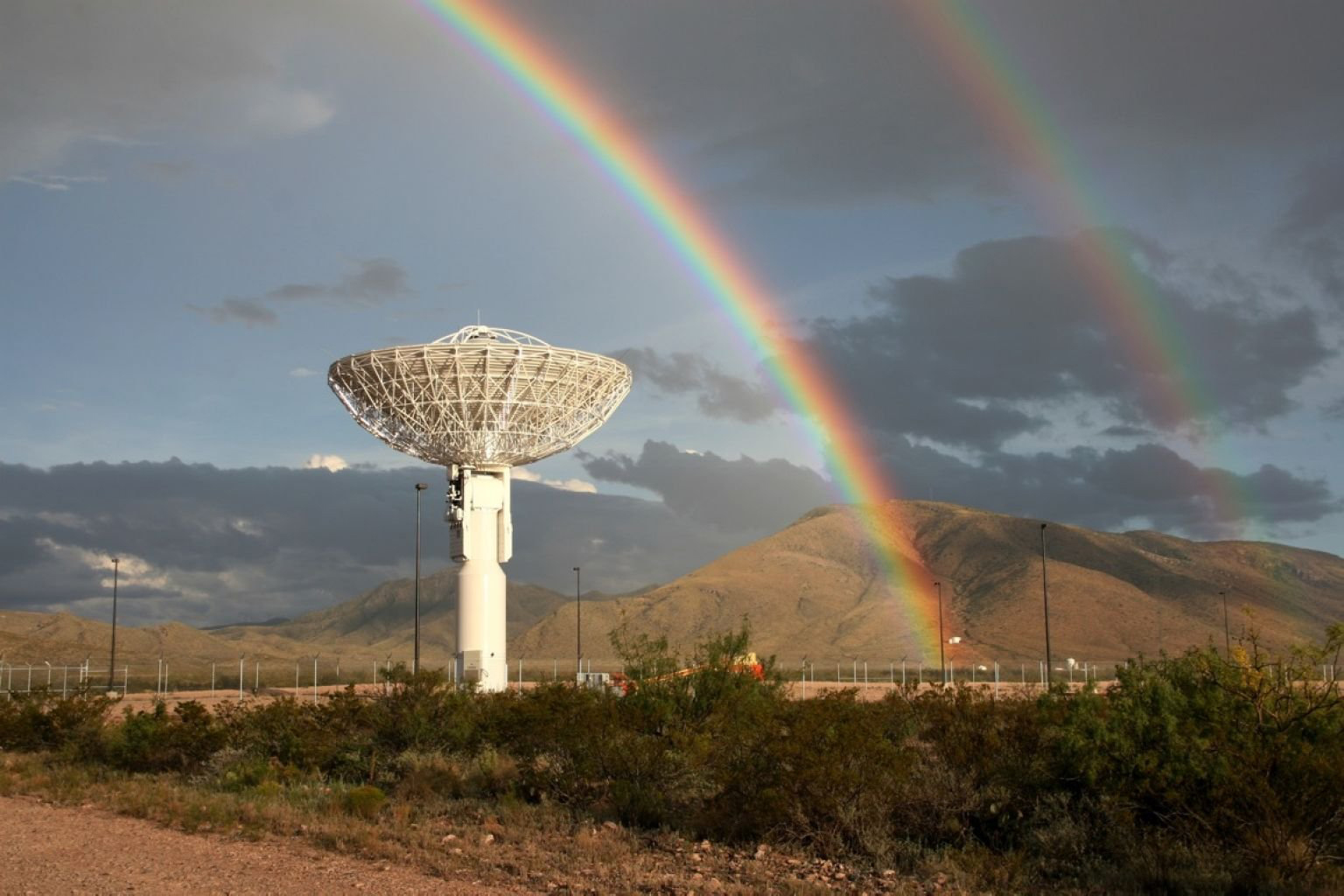
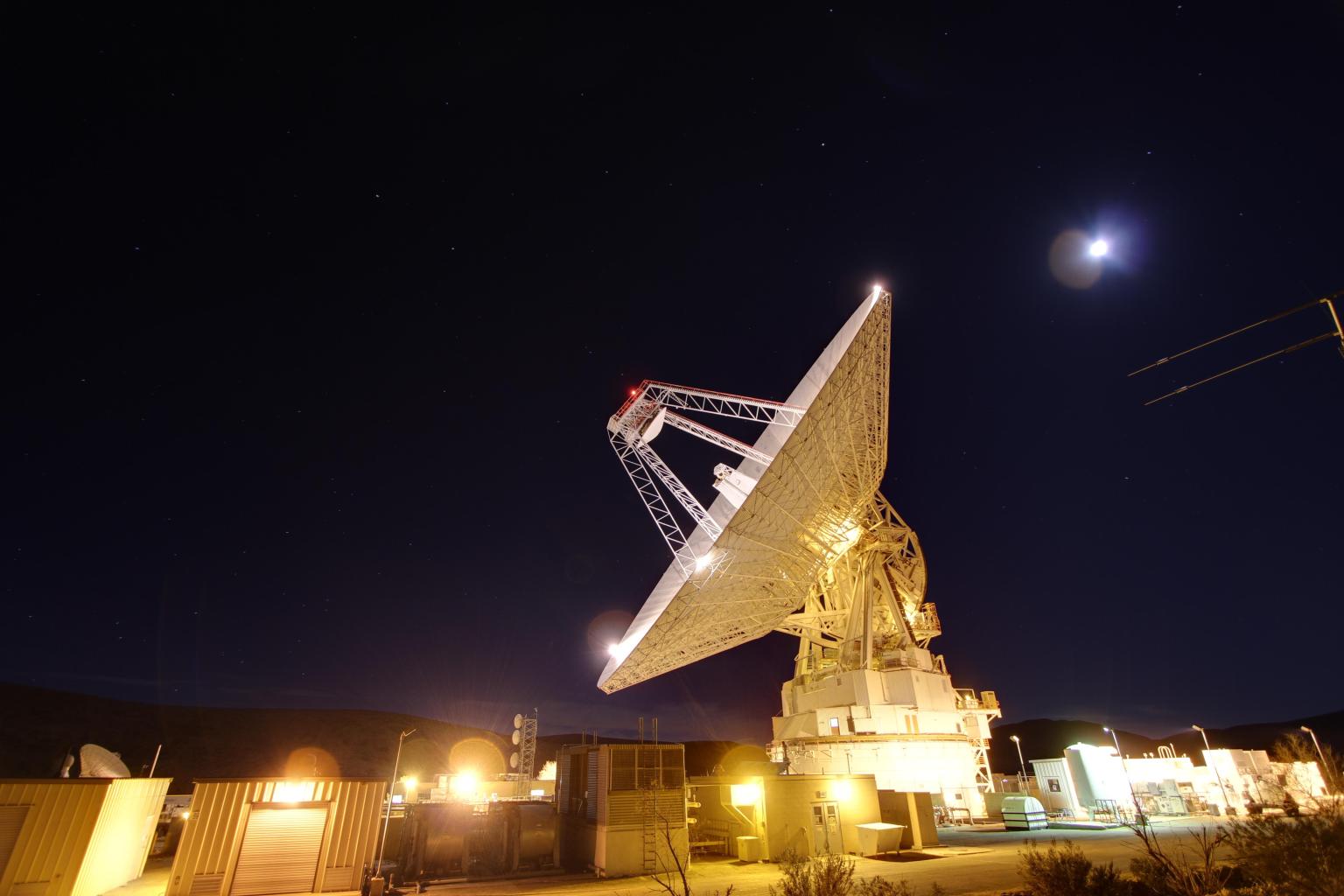
A Near Space Network antenna at the White Sands Ground Terminal. The Near Space Network is supporting the Artemis II mission during liftoff, early orbit, re-entry, and splashdown.
NASA
Working with the Deep Space Network, Artemis II will rely on the Near Space Network for navigation, real-time voice communications, data transfer, and situational awareness. For Richards and the teams supporting NASA’s networks, having crew aboard makes their work more essential than ever.
Richards’ professional journey across the Near Space Network has been key to coordinating communications across the Artemis’ three flight segments, dozens of ground stations, and hundreds of people supporting humanity’s return to the Moon.
Artemis isn’t just one spacecraft. It’s multiple elements working together across every mission phase, each with its own communications demands. My role is making sure communications succeed for the rocket, the Orion spacecraft, and ultimately the crew.
Erik Richards
NASA Near Space Network Mission Manager
In the months leading up to launch, Richards has supported extensive testing, requirements development, and readiness operations to prepare the network. During the mission, he will be on console, monitoring data flow and coordinating support across NASA and its partner sites worldwide.
The support Richards and his team provide Artemis II will carry forward to Artemis III and NASA’s goal of a sustained human presence on the lunar surface. For Richards, being part of that progression — from shuttle to the Moon and eventually Mars — connects him to his childhood love of spaceflight.
“The most exciting part about the Artemis campaign is being part of something greater,” said Richards. “You don’t have to be an astronaut to contribute to the future of human exploration.”
About the Author

Korine Powers
Lead Writer and Communications Strategist
Korine Powers, Ph.D. is a writer for NASA's SCaN (Space Communications and Navigation) Program office and covers emerging technologies, commercialization efforts, exploration activities, and more.
Share
Details
Last Updated
Mar 27, 2026
Editor
Jimi Russell
Contact
Korine Powers
Location
Goddard Space Flight Center
Related Terms
Explore More


Related Knowledge
mentions
Artemis Program
The Artemis Program is a NASA initiative aimed at returning humans to the Moon by the mid-2020s, with the goal of establishing a sustainable human presence on the lunar surface and preparing for future missions to Mars.
mentions
Near Space Network
The Near Space Network is a communication system designed to support spacecraft operations in near-Earth space, including missions to the Moon and beyond. It provides essential data relay services, ensuring that spacecraft can communicate with mission control and receive necessary commands.