Space Science
Total Lunar Eclipse
Mar 5, 2026, 4:27 PM
出典: NASA News
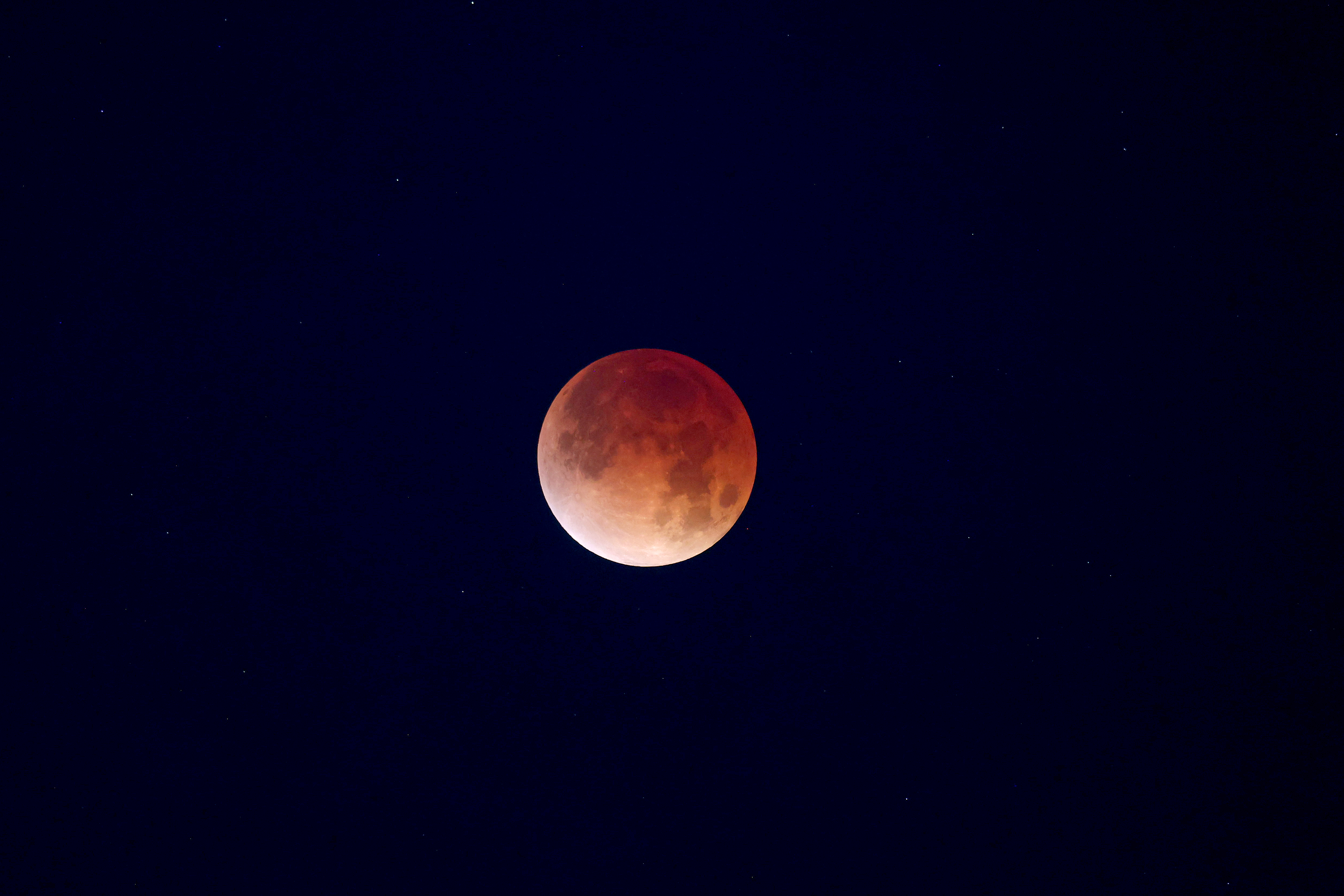
The Moon appears red during a total lunar eclipse over New Orleans, home of NASA’s Michoud Assembly Facility, on March 3, 2026. This “blood moon” occurs during a total lunar eclipse, as Earth lines up between the Moon and the Sun. When this happens, the only light that reaches the Moon’s surface is from the edges […]
Details
NASA/Michael DeMocker
The Moon appears red during a total lunar eclipse over New Orleans, home of NASA’s Michoud Assembly Facility, on March 3, 2026. This “blood moon” occurs during a total lunar eclipse, as Earth lines up between the Moon and the Sun. When this happens, the only light that reaches the Moon’s surface is from the edges of Earth’s atmosphere. The air molecules from Earth’s atmosphere scatter out most of the blue light. The remaining light reflects onto the Moon’s surface with a red glow, making the Moon appear red in the night sky. This is the same effect that turns the sky pink, orange, and red at sunrise and sunset.
Image credit: NASA/Michael DeMocker
Related Knowledge
mentions
Total Lunar Eclipse
A total lunar eclipse occurs when the entire Moon passes through the Earth's umbra, the darkest part of its shadow. During this event, the Moon can appear completely dark or take on a reddish color, depending on atmospheric conditions.
mentions
Rayleigh Scattering
Rayleigh scattering is the scattering of light or other electromagnetic radiation by particles much smaller than the wavelength of the light. This phenomenon is responsible for the blue color of the sky and the reddish appearance of the Moon during a lunar eclipse, as shorter wavelengths of light are scattered out more than longer wavelengths.